
FROM THE ARCHIVES
Originally published in 2015 on my first blog, Claiming the Light, this piece was one of my earliest attempts to write about becoming — about what we carry, what we release, and how we make meaning from the places, people, and histories that shape us. I'm sharing it here as part of the lineage of my current work. A decade later, I can see that many of the questions I was asking then are still alive in me now, only deepened by clinical training, motherhood, embodiment, grief, and lived experience.

What to Take and What to Leave
FEBRUARY 20, 2015 ~ BRITTANY E. RICE
At different points throughout a lifetime, we are each faced with decisions around what to keep with us and what to let go or leave behind. For me, today marks the day one journey begins to end, and I prepare to move on from this season in life and move to a new place. This requires me to give pause for reflection.
I have grown to be quite at home in Pasadena, California, where I have been planted for the better part of my twenties. For this reason, it is not only going through my belongings in preparation for a move that feels hard, but the actual leaving too. Nevertheless, with the new knowledge that I will be moving this summer, I instantly begin to sort through my belongings; running through a mental inventory of all that I have collected, to determine what I need to take with me. I have found the answer is very little. More daunting is determining what of my past identity, experiences, and relationships I want to take with me, and what I would like to leave. To be honest, this is an ongoing process that happens both in and out of my own personal therapy. The idea that we each carry with us dimensions of our past experience is not a new one, although I have found that most people are surprised at the idea that sometimes* we have the option of choosing what to carry.
A common theme that comes up in therapy work, and especially with those who come from strong ethnic, family, or religious cultures, is the choosing of aspects of one's first culture or identity to keep, modify, or let go. (Additionally, what newly learned or observed ideas or ways of being one would like to incorporate.) This is not easy. When values have been passed down, rules established, rituals created, methods of making meaning in place, and identity is rooted in tradition, the question – what of the first home, culture, and traditions do you wish to keep, and what would you like to release, is often a difficult one to answer and requires time spent sorting. Sorting, in this sense, means examining the things of one's primary or first culture to understand the meaning they hold, the purpose they serve, and how they function in one's life, as well as the value of preserving them. It also means recognizing that there is the option to choose what to keep and what to let go.
Discerning and deciding what to keep is not easy, but it can also be hard to know how to carry what only existed in the past. Especially challenging are those things lost that cannot be regained or at least not in the same way we had them before. Sometimes we carry pain or sorrow in their place. It is common practice to have a site of remembrance for the loved ones we have lost. But what of the people who were once important in our lives but with whom we have parted ways? Or things we once held dear that are gone or changed so much that they are no longer recognizable as the thing we once had? It is possible to find ways to carry these with us as well.
Carrying the lost we once cherished means learning the art of remembrance – remembrance that honors and helps contact the fullness and joy of what once was, the sense of well-being and groundedness those things gave, and at the same time hold the sadness that the person, place, or thing is no longer here or here in the way it once was. This sometimes feels like nostalgia, or at times something deeper like saudade. It takes only a familiar scent, surrounding sounds, or the perfect constellation of sensory experiences to go back to places that once were and feelings once felt. Music, like places, scents or meaningful items, hold the power to access memories, infused with emotion, engaging our whole person, and bringing even things we had forgotten or misplaced to mind.
But there are things worth learning to leave behind, too. Like a favorite pair of jeans now outgrown, some ideas, ways of being, relationships, and things we once loved need to be released. This can be acutely painful, but the letting go creates space for the new. Like a home lost in a hurricane, there must be a time for mourning, and yet still, the strength and courage to rebuild. I am learning that I cannot fully celebrate the life before me without embracing this simple truth – what has been broken, feels lost, or has been forever changed, can still be remembered, reclaimed, or entirely rebuilt. Sometimes choosing what to take with us, what to keep and hold dear, goes hand-in-hand with what we must grieve and move beyond. But leaving does not mean forgetting. I invite you to join me in finding ways to remember. We are who we are because that person, that experience, the impact of that place – those shaped us into who we now are. We may carry them with us, find ways to honor what was, and new ways to celebrate what is before us.
I am still working on my own sorting. I embrace all that I have gained and find deep joy and great satisfaction in the richness of the many gifts I have received. I return to sites of wreckage, grieve what has been lost, and take the goodness of those things with me. I continue to move and grow and experience new things, and I continue to build.
*Many wounds, traumas, and losses require grieving and a journey towards healing that is not generally linear but dynamic. In no way do I want to diminish or make light of these experiences, and acknowledge that this looks different for each person.
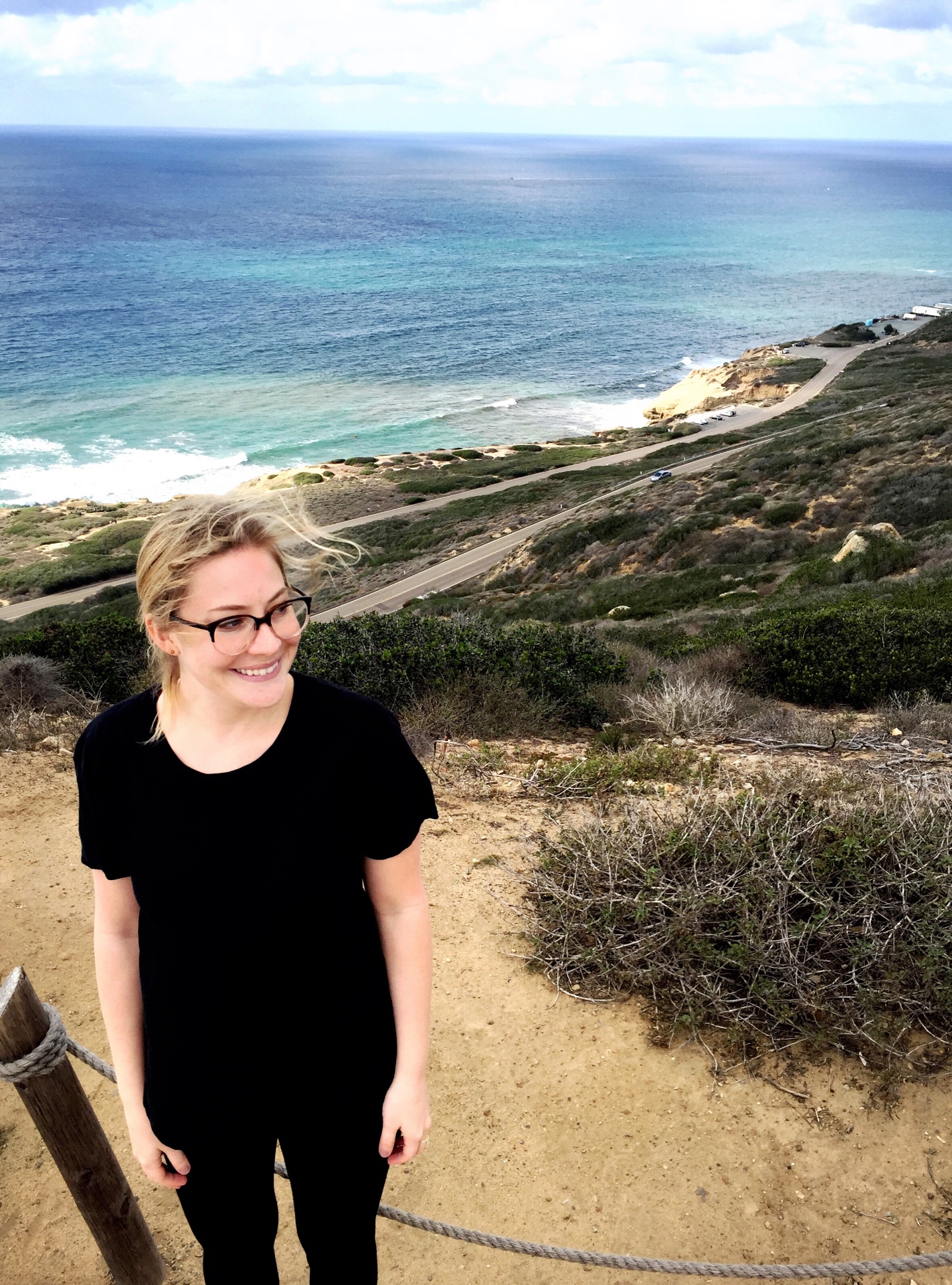
ABOUT THE AUTHOR, 2015
In 2015, Brittany Rice was beginning to write her way toward questions she would continue living for years: What do we carry? What do we leave? What shapes us, and what are we invited to reclaim? This first essay became an early seed of the work she continues now through writing, embodiment, relationship, and the ongoing practice of becoming conscious.
A REFLECTION
A Decade Later
Reading this now, I can see the early shape of what would later become central to my work: the process of discerning what belongs to us, what shaped us, what protected us, and what we are now ready to carry differently. At the time, I was writing about culture, memory, identity, and transition. Today, I might also name attachment, nervous system adaptation, embodied memory, grief, integration, and relational healing. But the question remains much the same: What do we take, and what do we leave?